Contact Us To Schedule Service
In manufacturing, a forklift down at the wrong moment can stop a production line. PM scheduling built around production runs, heavy duty platform coverage, and the compliance documentation regulated manufacturing requires. Servicing manufacturing operations across the Austin to San Antonio corridor since 1993.
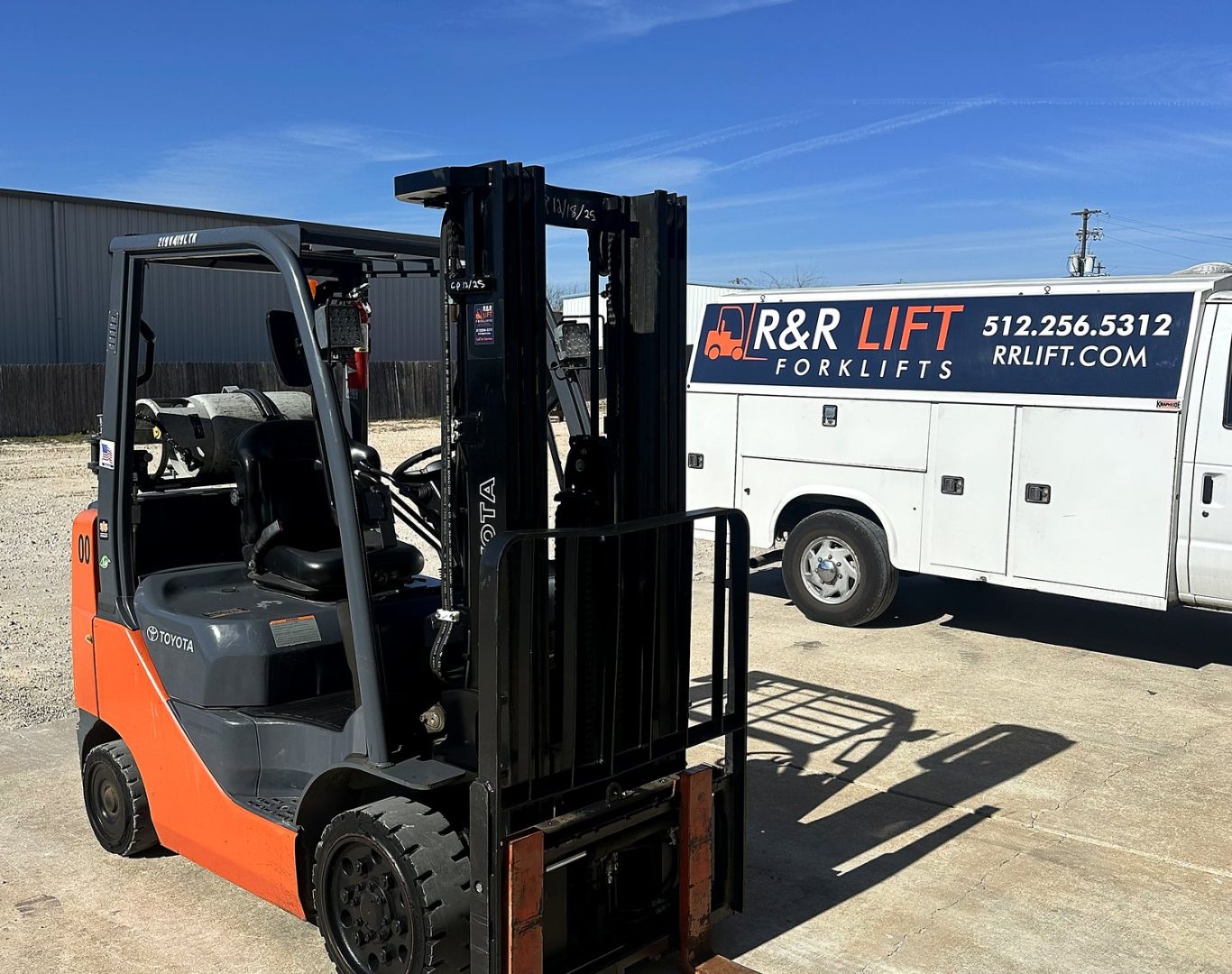
Manufacturing operations use forklifts differently than distribution centers, and the differences change how the fleet should be serviced. Where a distribution forklift moves goods through a facility, a manufacturing forklift often feeds a production process, which means its downtime can ripple into production output in ways that distribution downtime doesn’t.
Three things make manufacturing forklift service distinct:
A service approach built for distribution (mostly electric, throughput focused) doesn’t fully fit manufacturing (mixed heavy duty fleets, production line critical, compliance heavy). The fleet expertise, the PM scheduling, and the documentation requirements are different.
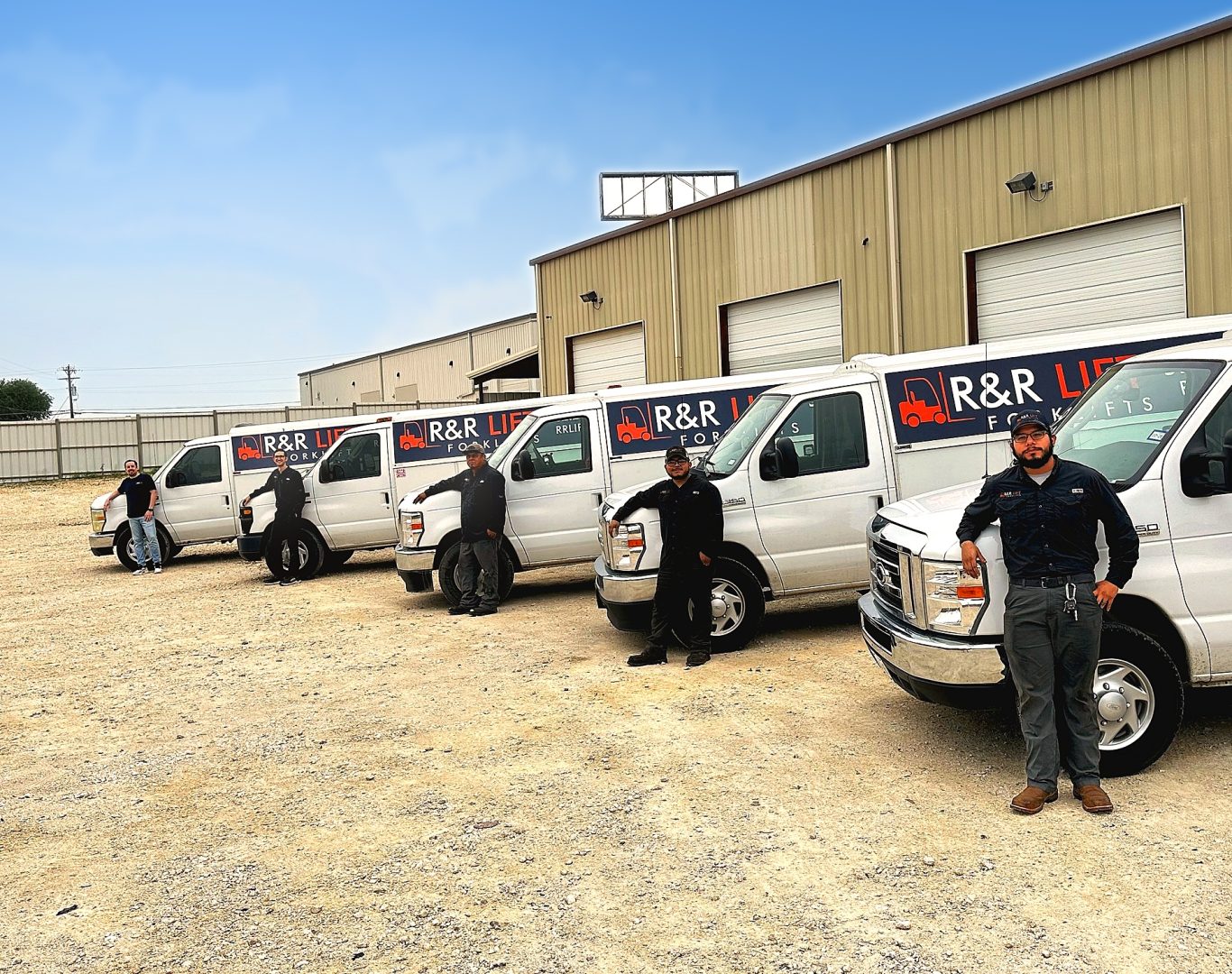
In manufacturing, PM scheduling has to work around production runs, not just shift changes. Taking a production critical forklift out of service for PM at the wrong time can disrupt a production run. We coordinate PM scheduling with production planning so maintenance happens during planned downtime, between production runs, or on equipment that's not currently production critical, keeping the maintenance from interfering with output.
For operations running continuous production, this coordination is essential. The PM has to happen, but it has to happen on the operation's terms, scheduled around the production calendar.
Manufacturing fleets are more varied than distribution fleets. Our team services the full range: high capacity forklifts for heavy materials, IC trucks (LPG, diesel, gasoline) for yard and outdoor work, electric equipment for indoor and clean environment production, and specialty equipment for specific production needs. The platform expertise spans the brands common in Central Texas manufacturing (Hyster's heavy duty equipment, Toyota, and others) and the range of machine types a manufacturing operation runs.
For production line critical forklifts, the maintenance priority is uptime above all. These machines get the most thorough PM attention, the closest monitoring of developing issues, and priority emergency response, because their downtime carries the highest cost. We work with operations to identify which machines are production critical and structure the program to give those machines the attention their criticality warrants.
Regulated manufacturing environments need documentation that supports OSHA, customer audits, quality system requirements, and industry specific standards. Our program documentation covers the fleet maintenance records these requirements demand, structured to integrate with the operation's broader compliance and quality systems. For operations in food production, pharmaceuticals, aerospace, or defense, we coordinate with EHS and quality teams on documentation and inspection scheduling.
Many manufacturing operations have internal maintenance teams. Our service is structured to complement internal capability rather than duplicate it. For operations with in house mechanics who handle routine work, we can provide the scheduled PM, the specialized diagnostics, and the major repair work that exceeds internal capacity, coordinating with the plant maintenance team rather than working around them.
The economic case for proactive maintenance is sharpest in production line manufacturing because the downtime cost is the highest of any industry segment.
Even for manufacturing forklifts that aren’t directly production line critical, the downtime cost tends to be higher than distribution because of the operational complexity of manufacturing environments and the cost of disrupting coordinated production processes.
The manufacturing specific point: because production line downtime is so expensive, manufacturing operations often have the strongest economic case of any industry for thorough proactive maintenance. The cost of preventing a production line outage through thorough PM is small relative to the cost of the outage itself. For production critical equipment, the thorough PM economics aren’t just favorable; they’re overwhelming.
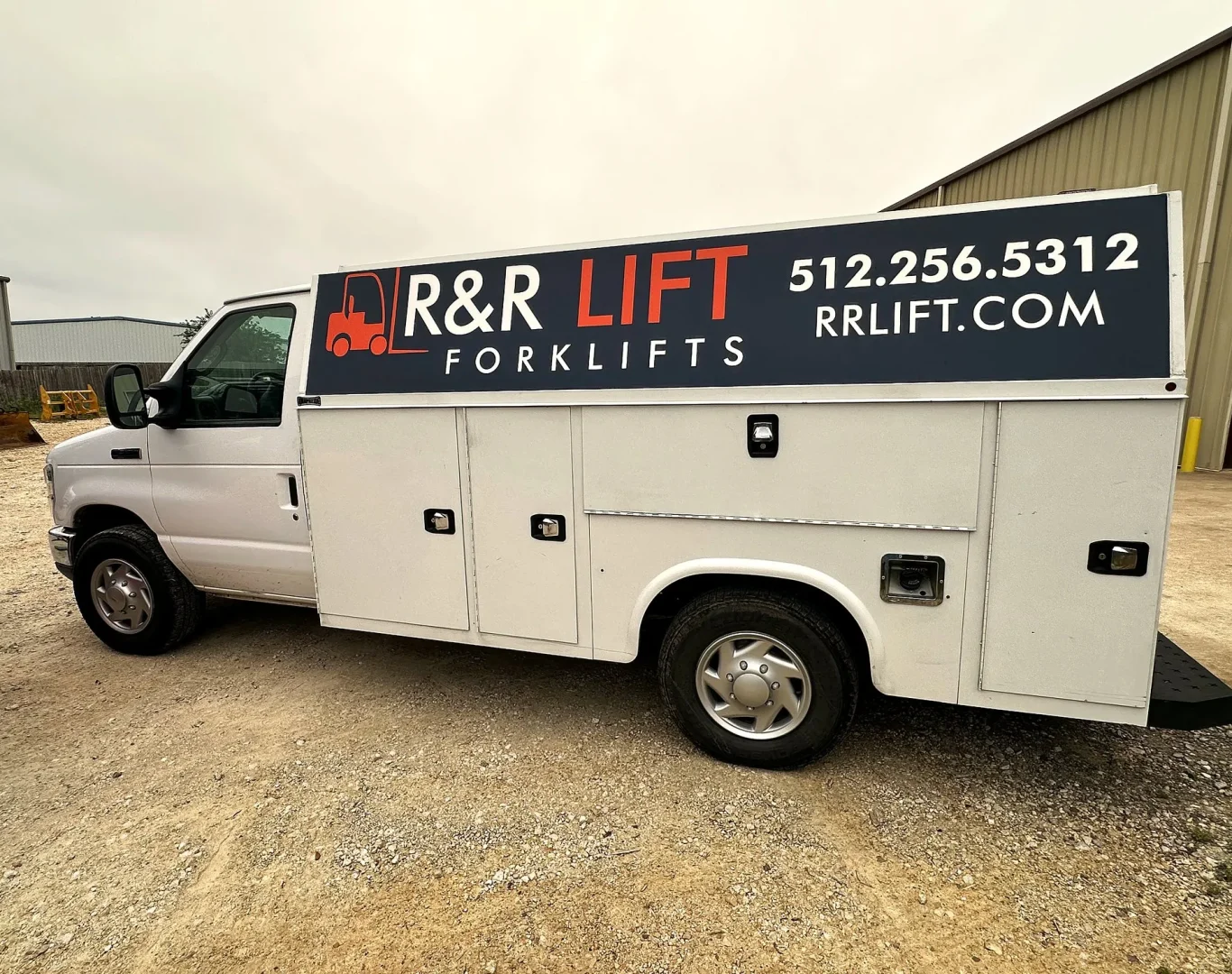
We service manufacturing forklift fleets across the major industrial submarkets:
For manufacturing operations in any of these areas, our team services your facility with PM scheduling coordinated around your production calendar.
Yes. For manufacturing operations, PM scheduling is coordinated with production planning so maintenance happens during planned downtime or between production runs rather than disrupting active production. For production critical equipment especially, we work around your production calendar.
Yes. Manufacturing fleets tend to be more varied than distribution fleets, including high capacity forklifts, IC trucks for yard work, and specialty equipment alongside standard machines. Our team services the full range across the brands common in Central Texas manufacturing.
Yes. For regulated manufacturing environments, our program documentation supports OSHA, customer audits, and quality system requirements. We coordinate with EHS and quality teams on documentation and inspection scheduling for operations in food production, pharmaceuticals, aerospace, defense, and other regulated sectors.
Yes. For operations with in house mechanics, our service complements internal capability rather than duplicating it. We can handle the scheduled PM, specialized diagnostics, and major repairs that exceed internal capacity, coordinating with your plant maintenance team.
In manufacturing, a forklift down at the wrong moment can stop a production line, and the cost of that outage dwarfs the cost of the maintenance that would have prevented it. Service built around production line uptime, with PM scheduled around your production calendar and the platform expertise to handle a varied manufacturing fleet, keeps your production moving without the outages that ripple into output.
If you run a manufacturing operation in Central Texas, we'd be happy to walk your facility and show you what a program built around your production reality would look like. No cost, no commitment.