Contact Us To Schedule Service
Intermittent issues. Recurring fault codes. Machines that run fine for the test drive and fail an hour later. The diagnostic work that takes a dealer tech two visits to figure out because they’re not on your site long enough to replicate the problem.
Thank you for reading this post, don't forget to subscribe!
A forklift that's been diagnosed twice in six months and still isn't fixed isn't a broken forklift problem. It's a diagnostic process problem.
The standard dealer approach to diagnostics is transactional: tech arrives, connects a scan tool, reads fault codes, replaces the suggested part, leaves. If the issue is intermittent, doesn't throw a code, or has multiple contributing causes, that process misses it. The tech comes back three weeks later, replaces a different part, same cycle.
The cost of a diagnostic that doesn't resolve the issue isn't the diagnostic fee. It's the third and fourth service calls, the continued production disruption, the operator frustration, and the eventual repair cost that arrives when the underlying issue finally causes a larger failure.
Thorough diagnostic work spends the time on site to replicate the problem, trace the actual root cause, and confirm the fix before the technician leaves. It takes longer. It also resolves the issue.
Every diagnostic call starts with conversation, not the scan tool. The operator knows things the fault codes don’t capture: when the issue happens, what the machine is doing when it starts, what it feels like, how it progresses. That operational context is often the fastest path to root cause.
From there, the diagnostic process covers:
If we can’t resolve the issue on the first visit, we tell you that up front with a clear next step, rather than closing the ticket and waiting for the next service call.
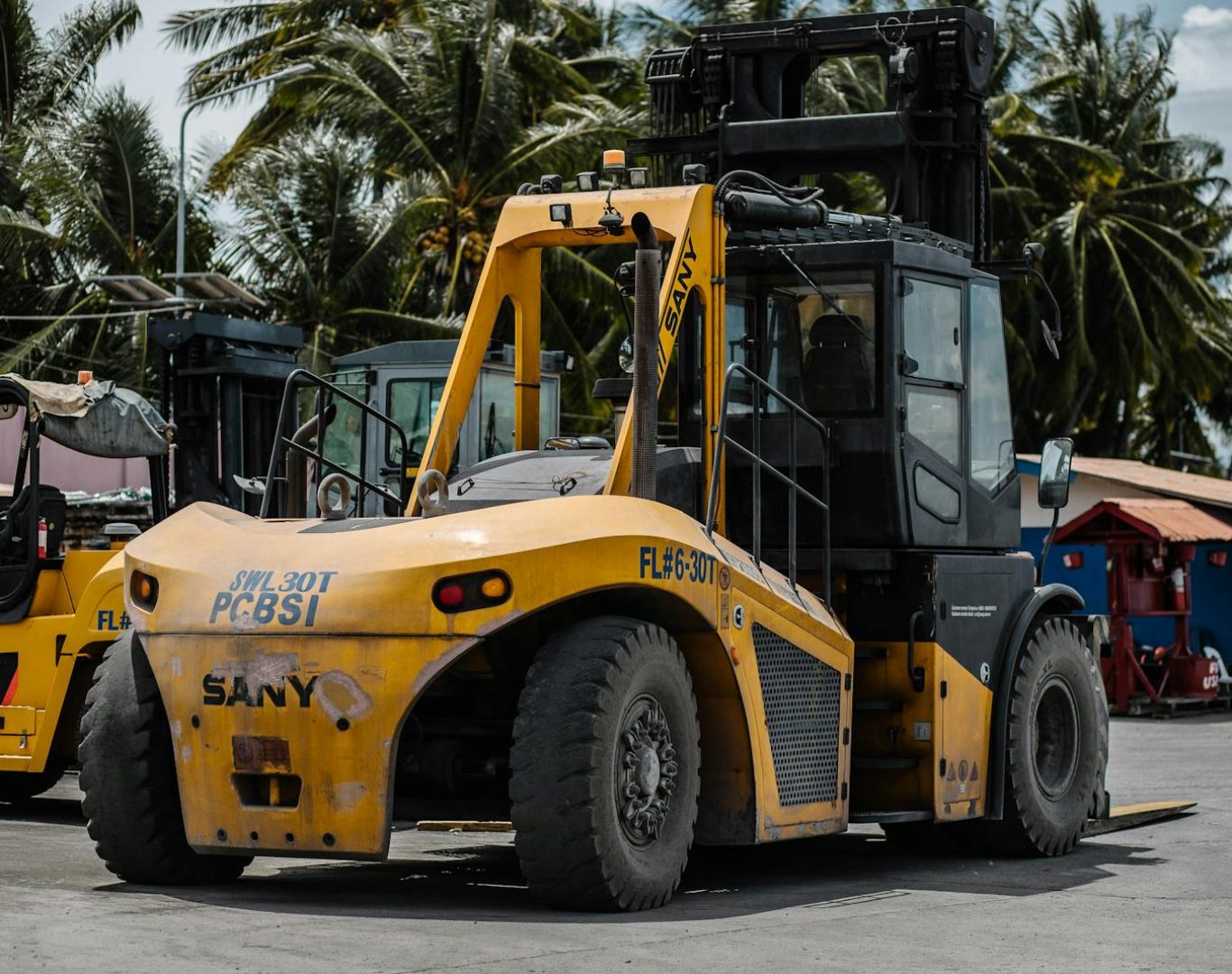
For fleet program clients, diagnostic calls sit under the program structure. The same team that runs your scheduled PM visits handles diagnostic calls, which means they already know every machine in your fleet, its service history, and its operational context before they show up. That institutional knowledge is the difference between diagnosing an issue in one visit versus three.
Program clients also get pattern analysis across the fleet. If three machines in your fleet are throwing similar intermittent issues, that’s usually not three unrelated failures. It’s an operational pattern, a parts batch issue, or a maintenance gap that needs to be addressed at the fleet level, not the individual machine level. A single-visit dealer tech won’t see that pattern. A vendor who knows your whole fleet will.
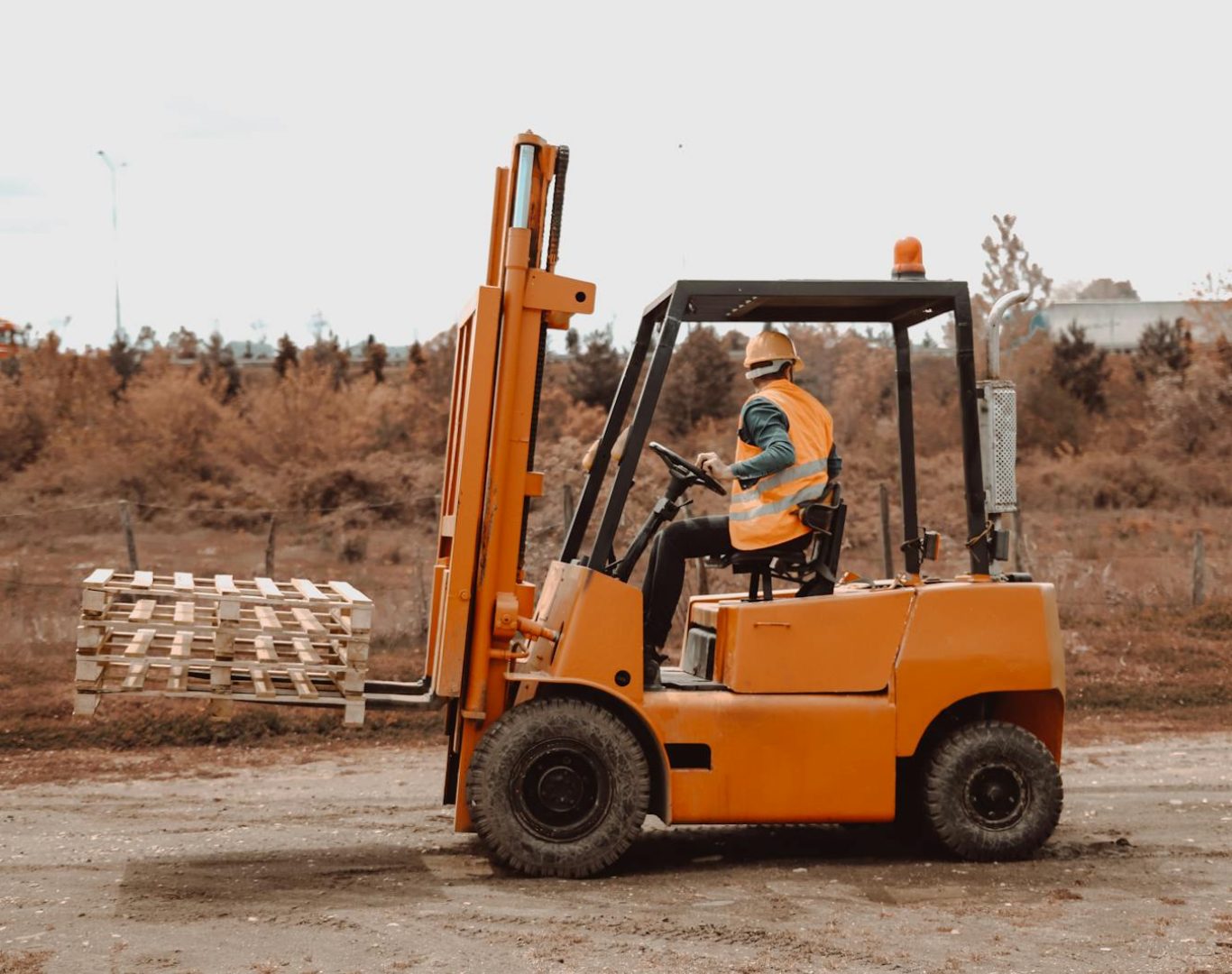
For fleet program clients, response times are written into the program contract, typically within four hours of the call during business hours. For non-program clients, diagnostic calls are typically handled within one to two business days depending on severity and location.
Yes. Our team is trained across all major forklift brands. Brand specialization is about parts availability and OEM-specific diagnostic tools, not whether a qualified technician can work on a given machine. We service all makes and models.
For most diagnostic work, standard industry tooling and our experience with the platform is sufficient. For the rare cases where a proprietary dealer-only tool is required, we’ll tell you that up front and either coordinate with the OEM or recommend the dealer path for that specific issue. We don’t pretend to have access we don’t have.
Diagnostic calls for fleet program clients are rolled into the program structure. For one-off diagnostic visits outside a program, we quote the scope up front based on the symptom description and machine type. Pricing reflects the time the diagnostic actually takes, which is sometimes longer than a quick scan-tool visit and sometimes shorter if the issue is obvious from the operational description.
If you've had a machine diagnosed twice and it's still not fixed, the third time isn't going to be any different with the same process. Let's look at it properly.