Contact Us To Schedule Service
If you’re running 10 or more forklifts across Central Texas, an unplanned breakdown costs you more in a single shift than a month of preventative maintenance. Our programs replace the unpredictable number with a fixed one.
Thank you for reading this post, don't forget to subscribe!
Pick a typical weekday. One of your forklifts stops working mid-shift. Assume it takes two hours to get a technician on site, diagnose the issue, and either fix it or flatbed it out. Multiply two hours by whatever your operation loses per hour when a forklift isn't moving pallets. For most Central Texas warehouses and distribution operations, that number lands between 600 and 1,000 dollars for that single incident.
Now multiply that by the frequency of unplanned breakdowns in a fleet that's running reactive maintenance. Across 10 units, the industry average is somewhere around one unplanned event every two to three weeks. That's 20 to 25 incidents a year. Run the math.
The number is almost always larger than the annual cost of a maintenance program on the same fleet.
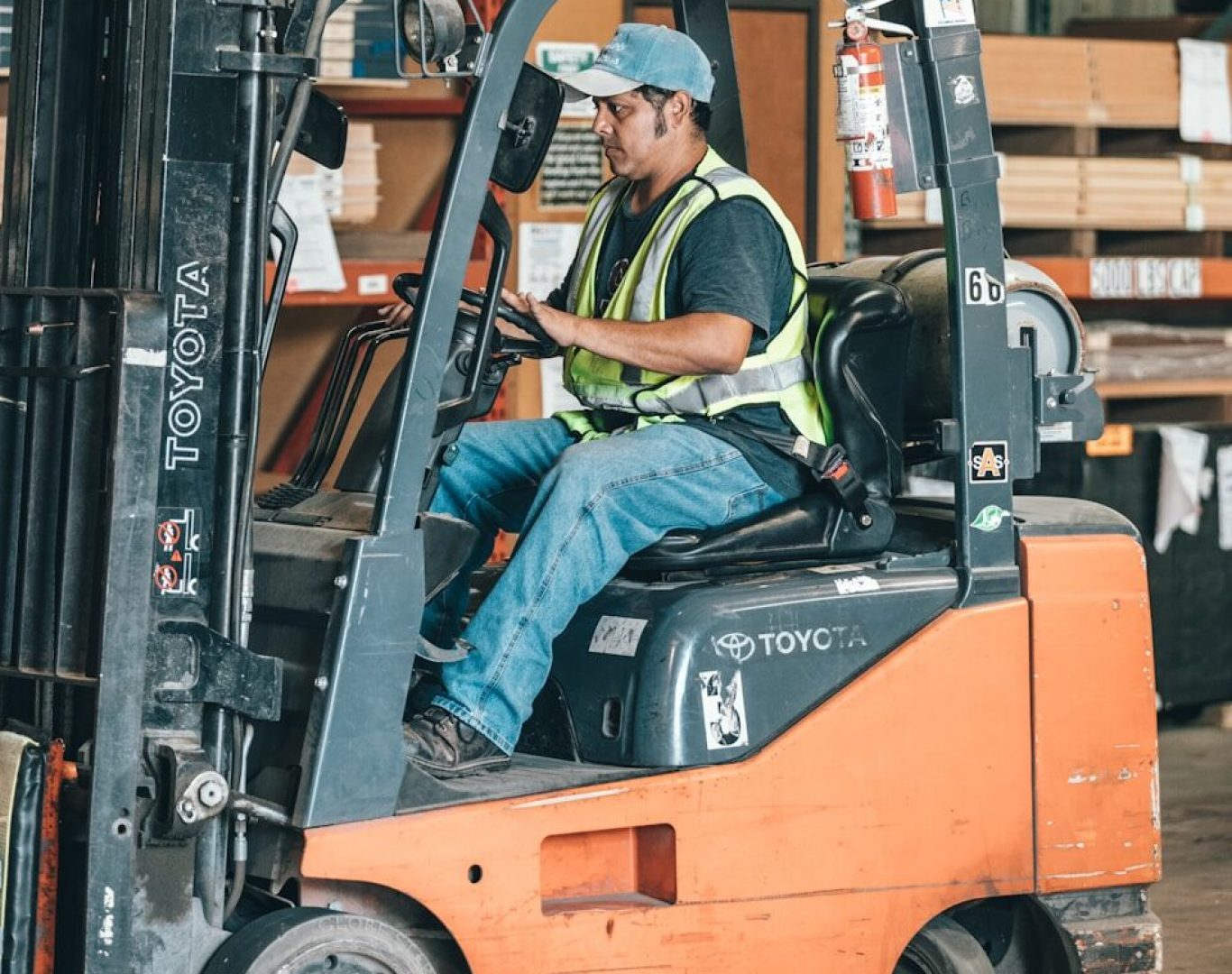
Program pricing depends on three factors: how many machines, what kinds of machines, LPG, electric, diesel, and how hard they’re running, shifts per day and average hours per week.
We don’t publish a price sheet because fleet programs don’t translate well into one. A 12-unit LPG fleet running two shifts a day in a dusty manufacturing environment is a different program than a 15-unit electric fleet in a clean DC running single-shift.
What we will tell you up front: we price programs against the downtime cost they prevent. If the math doesn’t clearly favor the program over your current reactive spend, we’ll tell you that too and recommend you stay where you are.
Most fleets running 10 or more forklifts in Central Texas already have someone. Usually a dealer. Sometimes an independent. Occasionally a patchwork of both.
That's not a reason not to talk. It's a reason to benchmark.
Fleet managers who've switched to us from dealer programs typically cite three things: response time got faster because we don't have a regional dispatcher routing calls, recommendations got more honest because we're not compensated on new-unit sales, and the reporting showed up because our programs include documentation their old vendor treated as optional.
None of that requires you to switch. It requires a conversation where we look at your current program, benchmark against what ours would look like, and you decide.
Within one business day of your inquiry, we'll get in touch to understand your fleet. Number of machines, types, rough usage, current maintenance situation, and what's driving the conversation.
Within one week, we'll visit your site and walk the fleet. No charge, no commitment. We want to see the machines, meet your operators, and understand how the forklifts actually move through your operation.
Within two weeks of that visit, we'll send a program proposal with pricing, SLAs, reporting samples, and a clear comparison against what you're currently spending on reactive maintenance. You take it from there.
The goal isn't to be the vendor you call when something breaks. It's to be the vendor you stop thinking about because nothing is breaking.
If that's the relationship you want with your forklift service provider, we should talk.